

A Hamptons art tour can be more than a list of museums and galleries. At its best, it becomes a thoughtful way to experience the East End through art, architecture, performance, public programs, historic places, and the creative communities that continue to shape the region.
The Hamptons have long attracted artists, writers, performers, collectors, visitors, and cultural institutions. But planning an art-focused day or weekend can feel overwhelming if you do not know how to connect the pieces.
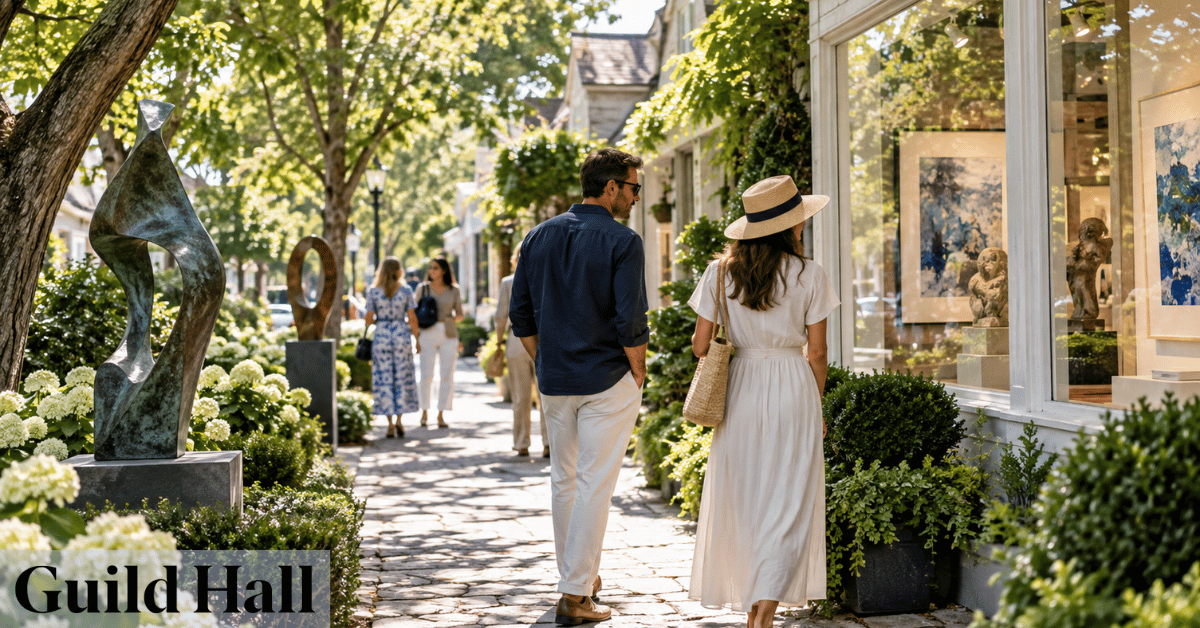
Instead of trying to see everything, a better approach is to build a cultural route around a few meaningful stops. A strong Hamptons art tour should include time for exhibitions, conversation, local history, performance, and space to reflect.
At Guild Hall in East Hampton, visitors can begin with a museum, theater, learning, and public program destination that connects many parts of the East End’s creative identity.
Planning a Hamptons Art Tour With Purpose
A good art tour does not need to be crowded.
The goal is not to visit as many places as possible. The goal is to create a route that helps you understand the cultural character of the Hamptons.
That might include:
one museum or exhibition stop;
one historic or artist-related site;
one visual arts experience;
one live performance or public program;
one quiet pause for conversation or reflection.
This kind of planning allows the day to feel intentional rather than rushed.
Visitors who want a broader overview of the region’s cultural landscape can also read Guild Hall’s cultural travel guide to the Hamptons for first-time visitors. This article focuses more specifically on building an art-centered route.
Start With a Cultural Anchor in East Hampton
Every art tour benefits from a strong starting point.
In East Hampton, Guild Hall can serve as that anchor because it brings together visual art, performance, education, public conversation, and community programming in one location.
A visitor can experience an exhibition, attend a performance, join a public event, or explore learning opportunities through the same institution. This makes Guild Hall a useful foundation for an art tour because it connects multiple forms of creativity.
Before planning the rest of the day, visitors can check current and upcoming exhibitions, review upcoming programs and events, and explore Performing Arts at Guild Hall.
For visitors who want to understand Guild Hall’s wider role in the region, the article on Cultural Center in The Hamptons provides useful background.
Include a Museum or Exhibition Stop
A museum or exhibition stop gives an art tour structure.
It offers a place to slow down, look closely, and experience work in a curated setting. Exhibitions can introduce visitors to artists, materials, ideas, histories, and visual conversations that shape the cultural life of the East End.
When choosing an exhibition stop, consider the kind of experience you want.
Some visitors may prefer contemporary art. Others may be interested in regional history, landscape, abstraction, or artist process. Some may want a quiet museum experience, while others may enjoy exhibitions connected to talks, performances, or workshops.
Guild Hall’s article on how to visit an art museum can help visitors make the most of this kind of stop.
Those interested in exhibition design and interpretation may also enjoy reading What Makes a Great Museum Exhibition? before visiting.
Add a Historic Artist or Cultural Site
An art tour becomes richer when it includes history.
The Hamptons are not only a place where art is displayed. They are also a place where artists have lived, worked, gathered, and developed creative communities.
A historic artist site or cultural landmark can help visitors understand how the East End became connected to American art, studio life, and creative identity.
This type of stop should not feel like a detour. It should add context.
A museum exhibition may show finished work. A historic site can help visitors imagine the conditions in which artists lived and worked. Together, they create a fuller picture of the region’s artistic legacy.
Guild Hall’s article on The Artistic Legacy of the Hamptons offers helpful background on how the East End became an art destination.
Visitors interested in specific artistic influences can also explore Coastal Light and Artistic Inspiration in the Hamptons and How the Atlantic Landscape Influenced Artists of the East End.
Make Space for Contemporary Art
A Hamptons art tour should not only look backward.
The East End continues to be shaped by contemporary artists, curators, performers, educators, and cultural organizations. Including contemporary art helps visitors see that the region’s creative identity is still active.
Contemporary art can appear in many forms: painting, sculpture, photography, installation, performance, video, mixed media, and public conversation.
A contemporary stop can also help visitors connect historic influence with present-day creativity. The same region known for artistic legacy continues to support new ideas, new voices, and new ways of seeing.
Guild Hall’s article on Contemporary Art in East Hampton offers a strong companion for visitors who want to understand the current visual arts landscape.
For a broader regional view, visitors can also read visual arts in the Hamptons.
Include Performance as Part of the Art Tour
An art tour does not need to be limited to galleries and museums.
Performance is an important part of the Hamptons’ cultural life. Theater, dance, music, comedy, public talks, staged readings, and live events can deepen an art-focused visit by adding voice, movement, sound, and shared audience experience.
This matters because cultural identity is not only visual.
A painting may invite quiet attention. A performance may create emotional immediacy. A public talk may offer insight into ideas, process, or history. Together, these experiences make a cultural route more dynamic.
Guild Hall’s Performing Arts programming can help visitors add a live element to their art tour.
Related guides on live theater on Long Island’s East End, Dance in The Hamptons, and Public Talks in The Hamptons can help visitors choose the right kind of performance or cultural conversation.
Plan Around Timing, Distance, and Energy
The Hamptons can look compact on a map, but travel time matters.
A successful art tour should consider distance, parking, event times, exhibition hours, meal breaks, and energy level. Trying to fit too many stops into one day can make the experience feel rushed.
A better approach is to choose a rhythm.
For example:
Begin with a museum or exhibition;
Pause for lunch or coffee;
Visit a historic or cultural site;
Leave time to walk or rest;
End with a performance, talk, or evening program.
This creates a balanced day.
Visitors who want a more general travel framework can use Guild Hall’s cultural travel guide to the Hamptons as a companion. This art tour version should stay focused on cultural stops and creative experience.
Choose Stops That Tell a Story
The best art tours have a point of view.
Instead of choosing random places, think about the story you want the day to tell.
Your route might focus on:
East Hampton’s artistic legacy;
Contemporary art;
Women artists connected to the region;
Landscape and coastal light;
Museums and exhibitions;
Live performance;
Family-friendly creative experiences;
Artist talks and public conversation.
A focused route helps each stop feel connected.
For example, a visitor interested in women artists might pair an exhibition visit with Guild Hall’s article on Women Artists Connected to the Hamptons Art Scene.
A visitor interested in family participation might include family art activities in the Hamptons or creative workshops in East Hampton as part of the planning process.
Leave Time for Looking, Not Just Moving
A common mistake in art tours is treating the day like a checklist.
Art needs time.
Visitors should leave room to stand with an artwork, sit after a performance, discuss an idea, browse a program, or revisit something that caught their attention.
A strong art tour includes pauses. Those pauses help the experience become memorable.
This is especially important for visitors who may not be frequent museumgoers. Spending meaningful time with a few works can be more rewarding than moving quickly through many rooms.
Guild Hall’s article on quiet art experiences on Long Island’s East End offers helpful perspective for visitors who want a slower, more reflective cultural day.
Add a Hands-On or Learning Experience
A Hamptons art tour can become more personal when it includes participation.
A workshop, class, family activity, or learning program gives visitors a chance to respond actively to the arts. Instead of only observing, they can make, move, write, discuss, or experiment.
This can be especially meaningful for families, young people, and visitors who want a deeper connection to the creative process.
Guild Hall’s learning programs offer a way to connect cultural visits with hands-on engagement.
Visitors may also find helpful context in Guild Hall’s articles on art classes for kids in East Hampton, teen arts programs in East Hampton, and youth arts programs on Long Island.
Make Guild Hall a Central Stop on Your Hamptons Art Tour
Guild Hall can serve as a central stop on a Hamptons art tour because it combines several cultural experiences in one place.
Visitors can connect with exhibitions, performance, learning programs, public talks, artist-centered events, and community programs. This makes it a practical and meaningful anchor for an art-focused visit to East Hampton.
A Guild Hall stop can work in several ways:
as the first stop of the day;
as the main exhibition visit;
as an evening performance destination;
as a place to connect visual art with public programs;
as a learning or workshop-based experience;
as a cultural stop within a wider East End itinerary.
This flexibility makes Guild Hall useful whether visitors are planning a short visit, a full cultural day, or a weekend itinerary.
Planning a Hamptons Art Tour Around Guild Hall
Guild Hall is located at:
Before visiting, check exhibition hours, program schedules, ticket information, accessibility, parking, and arrival timing.
Visitors can use Guild Hall as the anchor point and then build a route around nearby East Hampton cultural landmarks, historic sites, dining, and village walks.
Explore Cultural Stops on a Hamptons Art Tour
A Hamptons art tour can help visitors experience the East End through art, history, performance, learning, and creative community.
Rather than rushing through every possible stop, choose a route that reflects your interests. Start with a strong cultural anchor, include time for exhibitions, consider a historic or contemporary art stop, and leave room for performance, conversation, or hands-on learning.
At Guild Hall, visitors can connect many parts of the Hamptons’ cultural life in one place.
Explore current and upcoming exhibitions, discover Performing Arts at Guild Hall, review learning programs, browse upcoming programs and events, or plan your visit to Guild Hall in East Hampton.
For broader context on the role of museums and cultural institutions in public life, the American Alliance of Museums offers resources on museums, education, collections, and community engagement.