

Learning how to visit an art museum is not about memorizing art history or understanding every curatorial reference. It is about slowing down, paying attention, and allowing yourself to respond to what you see.
At Guild Hall in East Hampton, visitors can put this approach into practice while exploring exhibitions connected to contemporary ideas, artistic history, and the cultural life of the East End.
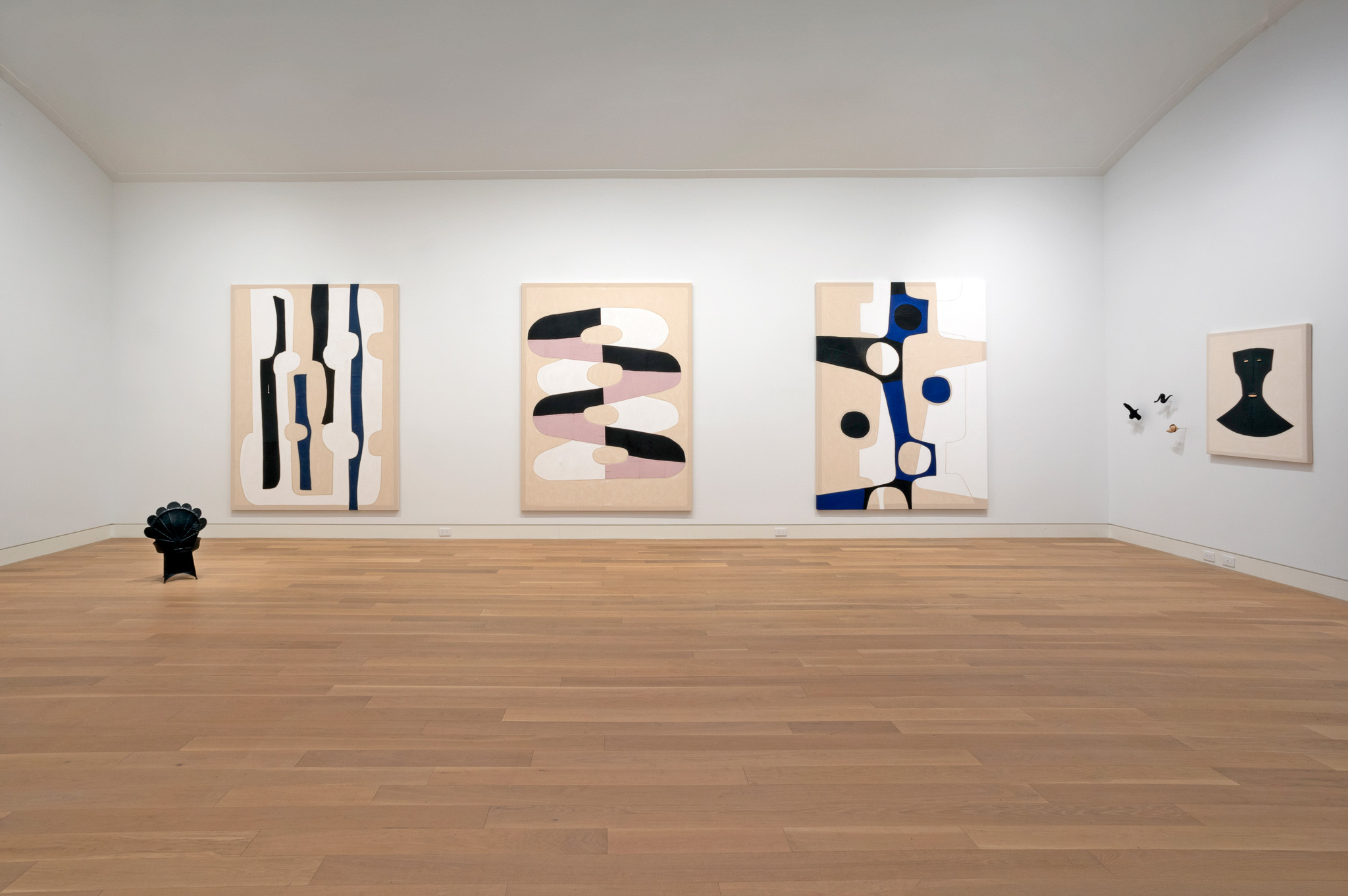
Located at 158 Main Street in East Hampton Village, Guild Hall brings visual art together with performances, learning programs, public conversations, and community events. That interdisciplinary setting makes a museum visit feel like part of a wider cultural experience rather than an isolated activity.
You do not need specialist knowledge to enjoy an exhibition. Curiosity is enough to begin.
How to Visit an Art Museum Without Feeling Overwhelmed
Museums often contain more art than visitors can absorb during a single visit.
Trying to see every artwork, read every label, and understand every curatorial decision can quickly become tiring. Instead of treating an exhibition like a checklist, give yourself permission to be selective.
Begin with a slow walk through the gallery. Notice which paintings, sculptures, photographs, or installations attract your attention before deciding where to stop.
You may respond to a color, material, expression, shape, or detail without immediately understanding why. That first reaction is already part of the museum experience.
At Guild Hall, visitors can explore exhibitions at their own pace. The goal is not to finish every room. It is to spend meaningful time with the works that hold your attention.
Visitors who enjoy a slower cultural pace can also explore Guild Hall’s guide to quiet art experiences on Long Island’s East End.
How to Look at Art Before Reading Museum Labels
One of the most useful art museum tips is to look at the artwork before reading its label.
Museum labels can provide valuable information about the artist, title, date, materials, and historical context. However, reading first can shape your reaction before you have formed an impression of your own.
When viewing an artwork at Guild Hall, ask yourself:
- What attracted my attention first?
- Where does my eye move?
- Which colors, textures, or materials stand out?
- Does the work feel calm, tense, familiar, or unexpected?
- What questions does it raise?
After spending time with your own response, read the label.
The information may confirm your interpretation, challenge it, or reveal something you had not noticed. Personal observation and curatorial context can work together, but looking first helps preserve your initial connection to the work.
How Long Should You Spend Looking at an Artwork?
There is no fixed rule for how long you should look at an artwork in a museum.
Some works may capture your attention immediately. Others may become more interesting after several minutes. You do not need to give every piece equal time.
Choose a small number of works during your visit and examine each one from different distances.
From farther away, you may notice composition, scale, color, or balance. From a closer position, you may see brushwork, surface texture, construction marks, or small details.
Spending more time with fewer artworks often creates stronger memories than moving quickly through an entire exhibition.
This slower approach can also support reflection and emotional awareness. Guild Hall explores that connection further in its article about art and mental health in East Hampton.
How to Understand the Structure of an Art Exhibition
An exhibition is more than a collection of individual objects. Its layout also helps tell a story.
Curators decide which works appear together, how visitors move through the galleries, and when certain ideas are introduced.
As you explore an exhibition, consider:
- Why might these works have been placed together?
- Do they share colors, subjects, materials, or themes?
- Is the exhibition arranged chronologically?
- Does the atmosphere change from one gallery to another?
- Is there one artwork that seems to anchor the exhibition?
You do not need to identify the curator’s exact intention. Simply noticing these relationships can help you experience the exhibition as a whole.
Guild Hall’s exhibitions often connect individual artworks with larger questions involving memory, identity, materiality, place, and perception.
Before visiting, you can review Guild Hall’s current and upcoming exhibitions to understand what is on view.
How to Notice Art Materials, Techniques, and Textures
Visitors often begin by asking what an artwork represents. That is useful, but the materials can be equally important.
An exhibition may include painting, sculpture, photography, fabric, found objects, wood, metal, video, sound, or mixed media.
Ask why the artist may have chosen a particular material.
Would the work feel different if it were larger, smaller, heavier, softer, smoother, or made from something else?
In contemporary art, materials often carry meaning. A salvaged object may suggest memory, transformation, or reuse. A textured painted surface may reveal the physical process behind the work. Color may create atmosphere without representing a recognizable scene.
Learning to notice how an artwork was made can open new ways of understanding it.
Readers interested in the wider regional context can also explore Guild Hall’s article on visual arts in the Hamptons.
Art Museum Tips for Developing Your Own Interpretation
Visiting with another person can make the museum experience more interactive.
You do not need specialist vocabulary. Begin with simple questions:
- Which work surprised you?
- Which piece would you like to see again?
- Which artwork created the strongest emotion?
- Did anything make you uncomfortable?
- Which artist would you like to learn more about?
Two people can look at the same artwork and notice completely different details.
Discussing an exhibition can turn private observation into a shared cultural experience. That social dimension connects naturally with Guild Hall’s wider role in social art in East Hampton.
Guild Hall’s events and public programs also create additional opportunities to hear from artists, curators, performers, and cultural leaders.
Art Museum Photography Rules and Visitor Etiquette
Taking photographs can help you remember an exhibition, but photographing every artwork may interrupt the experience.
Before reaching for your phone, spend time looking directly at the work.
Then decide whether a photograph will help you remember a detail, research an artist later, or share something meaningful.
Always review the museum’s current photography policy. Flash, tripods, commercial photography, or photography of certain works may be restricted.
Basic museum etiquette also helps protect artworks and creates a better experience for everyone:
- Avoid touching artworks unless interaction is clearly permitted.
- Keep food and drinks outside gallery spaces.
- Maintain a respectful distance from the work.
- Be aware of other visitors.
- Avoid blocking an artwork for too long when the gallery is busy.
These guidelines are not meant to make the museum feel formal or intimidating. They help preserve the art and keep the space welcoming.
Before arriving, review the latest visitor information for Guild Hall, including gallery policies, accessibility, transportation, and admission details.
How to Read Exhibition Labels and Curatorial Texts
The introductory panel at the beginning of an exhibition can provide useful context.
It usually explains the central idea behind the show. It may introduce the artist’s background, the exhibition theme, or the relationships between the works.
You do not need to read every word before looking at the art.
A useful approach is to read the introductory panel, explore the exhibition, and then return to the text afterward. It may feel more meaningful once you have seen the work for yourself.
Individual labels can then help clarify specific details without controlling your entire experience.
At Guild Hall, exhibition texts can help visitors connect individual works with larger cultural themes and the artistic history of the East End.
Questions to Ask Museum Staff During Your Visit
Museum staff can help you get more from an exhibition.
You might ask:
- Where is the best place to begin?
- Is there a work I should make sure to see?
- Are tours or artist talks available?
- Is there a family guide or learning activity?
- Are there related performances or public programs?
A simple question can lead you toward an artwork, event, or resource you might otherwise miss.
Guild Hall’s interdisciplinary calendar also allows visitors to connect museum exhibitions with theater, dance, music, film, talks, and education.
Questions to Ask Museum Staff During Your Guild Hall Visit
Museum staff can help visitors get more from an exhibition.
You might ask:
- Where is the best place to begin?
- Is there a work I should make sure to see?
- Are tours or artist talks available?
- Is there a family guide or learning activity?
- Are there related performances or public programs?
A simple question can lead you toward an artwork, event, or resource you might otherwise miss.
Guild Hall’s interdisciplinary calendar also allows visitors to connect visual art with theater, music, dance, film, talks, and educational programs.
How to Visit an Art Museum With Children
Children do not need to understand art history to enjoy a museum.
Instead of giving long explanations, invite them to observe.
Ask them to find:
- An artwork with their favorite color
- The smallest or largest piece
- An unusual material
- A face showing a strong emotion
- A shape that appears more than once
- A work that could inspire a story
These prompts make the visit playful while encouraging attention and curiosity.
Children may notice details that adults miss. Giving them space to respond in their own way can make the experience more enjoyable for everyone.
Guild Hall’s learning programs provide additional opportunities for children, teens, adults, and families to engage with the arts in East Hampton.
The organization’s broader commitment to accessible arts in East Hampton Village also helps more members of the community participate in cultural experiences.
How to Avoid Museum Fatigue
Museum fatigue can make it difficult to concentrate, notice details, or respond thoughtfully.
Take a break before you feel exhausted.
Sit on a gallery bench, pause in the lobby, write down something you noticed, or step away briefly before continuing.
A shorter visit with focused attention is often more meaningful than a long visit spent rushing through every room.
Guild Hall’s location in East Hampton Village also makes it possible to include a museum visit within a broader day in the village without turning the article into a general East Hampton itinerary.
After viewing an exhibition, visitors can take a short walk, reflect on what they saw, and return for another Guild Hall program later in the day or season.
What to Do After Visiting an Art Museum
The museum experience does not have to end when you leave the gallery.
Look up an artist whose work interested you. Read more about a material, exhibition theme, or artistic movement. Discuss the show with someone or write down the work you remember most clearly.
You might ask yourself:
Which artwork stayed with me?
Did anything change the way I think?
What would I like to see again?
What question did the exhibition leave unanswered?
Learning more about the artists behind an exhibition can also deepen your understanding of local artist support in East Hampton Village and the cultural ecosystem that makes exhibitions possible.
Visitors can also explore Guild Hall’s permanent collection to discover works connected to the creative history of the East End.
A museum visit can even become part of a broader walking art experience in East Hampton Village without changing the primary focus of this guide.
How to Plan a Museum Visit to Guild Hall
Guild Hall is located at:
Its location in East Hampton Village makes it accessible for residents, seasonal visitors, families, students, and cultural travelers.
Before your visit, check:
- Current exhibitions
- Gallery hours
- Admission information
- Accessibility details
- Museum policies
- Event schedules
- Transportation and parking
Visitors arriving by train can follow the short route from the East Hampton station area on Railroad Avenue to Guild Hall on Main Street.
Enjoy Art Exhibitions More Deeply at Guild Hall
Learning how to visit an art museum can transform a quick walk through a gallery into a deeper encounter with art.
At Guild Hall, visitors can apply these ideas while connecting exhibitions with performances, learning opportunities, artist conversations, and public events.
The museum visit remains the central experience. Guild Hall’s wider programming simply offers more ways to continue the conversation.
Whether one artwork captures your attention or an entire exhibition changes your perspective, meaningful museum experiences often begin by slowing down and looking carefully.
Explore current and upcoming exhibitions, review upcoming programs and events, or plan your visit to Guild Hall.
Guild Hall’s museum is also connected to the professional standards promoted by the American Alliance of Museums, a national organization supporting museums, collections, education, and public engagement.