

Finding meaningful family art activities in the Hamptons can turn a visit to the East End into more than a day out. Art gives families a way to slow down, ask questions, share ideas, and experience culture together.
For children, teens, parents, grandparents, and visitors of different ages, creative experiences can open conversations that do not happen in everyday settings. A museum exhibition, performance, workshop, family program, or public event can become a shared memory.
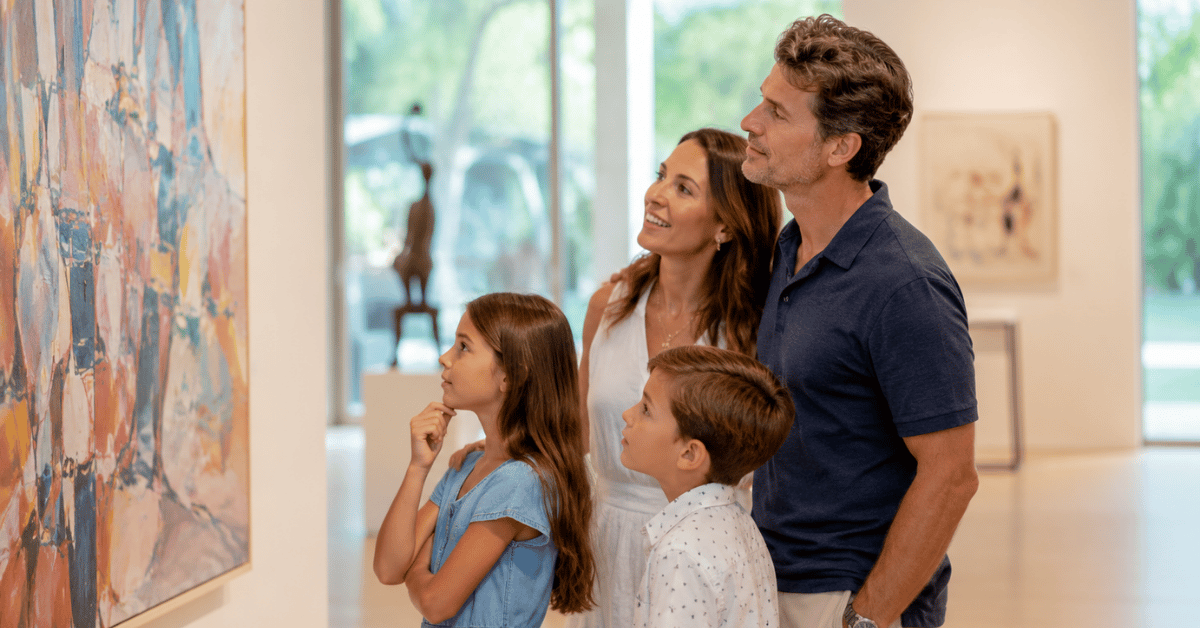
At Guild Hall in East Hampton, families can experience visual art, performing arts, learning programs, public conversations, and community events in one cultural setting. Located at 158 Main Street in East Hampton Village, Guild Hall offers a welcoming place for families to connect with the arts throughout the year.
Family Art Activities in the Hamptons That Go Beyond a Typical Day Out
Family art activities are different from ordinary entertainment.
They invite participation, observation, imagination, and conversation. A child may notice a color that adults miss. A teen may connect with a performance in an unexpected way. A parent may see an exhibition differently after hearing a child’s question.
In the Hamptons, family cultural experiences can include:
- visiting an art exhibition;
- attending a family-friendly performance;
- joining a creative learning program;
- taking part in a community arts event;
- exploring public programs;
- talking together about what you saw, heard, or made.
The goal is not to make every outing educational in a formal way. The goal is to create space for curiosity.
Families looking for a calm and reflective cultural experience can also explore Guild Hall’s guide to quiet art experiences on Long Island’s East End.
Why Guild Hall Is a Welcoming Cultural Stop for Families
Guild Hall is a strong starting point for families because it brings different forms of culture together.
A family visit might begin with an exhibition, continue with a learning program, and later lead to a performance or public event. This variety makes it easier for different ages and interests to find something meaningful.
Some family members may be drawn to visual art. Others may prefer music, dance, theater, comedy, or hands-on learning. Guild Hall’s programming allows families to experience the arts from several entry points.
Families can explore current and upcoming exhibitions before visiting, or review upcoming programs and events to find performances, talks, workshops, and community programs that fit their schedule.
This makes Guild Hall more than a place to visit once. It can become a cultural destination families return to throughout the season.
How Museum Visits Help Children Look, Ask, and Imagine
A museum visit can help children develop attention and imagination.
Children do not need to understand art history to enjoy an exhibition. They often begin with direct observation. They notice color, scale, shape, faces, animals, textures, movement, and unusual materials.
Adults can support that experience by asking simple questions:
- What do you notice first?
- What colors do you see?
- What do you think is happening?
- What does this artwork remind you of?
- If this artwork made a sound, what would it sound like?
- Which piece would you want to see again?
These questions help children feel included. They also show that art is not only something to look at quietly. It can be something to discuss, imagine, and respond to.
Guild Hall’s article on how to visit an art museum offers more ideas for slowing down, looking closely, and making museum visits more meaningful for visitors of all ages.
Creative Programs for Kids, Teens, and Adults
Creative programs give families another way to engage with the arts.
Instead of only observing, participants may draw, move, perform, write, build, discuss, or experiment with materials. This can make the arts feel more accessible, especially for children and teens who learn through activity.
Guild Hall’s learning programs support creative engagement for different ages. These programs can help children build confidence, give teens a place to explore ideas, and offer adults opportunities to reconnect with creativity.
For families, learning programs can also create shared language. A workshop or creative activity may give parents and children something to talk about long after the visit ends.
Families interested in broader creative education can also read Guild Hall’s article on Art Classes in East Hampton for Adults and Teens.
Family-Friendly Performances and Cultural Events
Family art activities in the Hamptons are not limited to museum galleries.
Live performance can be especially powerful for younger audiences. Music, dance, theater, comedy, film, and storytelling can introduce children and teens to rhythm, voice, movement, emotion, and shared attention.
A performance gives families something to experience together in real time. The audience listens together, reacts together, and leaves with a shared memory.
Guild Hall’s Performing Arts programming gives visitors a way to connect with live cultural experiences in East Hampton. Families can also explore the broader calendar of upcoming programs and events to find programs that match their interests.
For more context on live performance in the region, readers can visit Guild Hall’s guide to live theater on Long Island’s East End or its article on Dance in The Hamptons.
How Art Activities Help Families Connect Across Generations
Art can create conversations between generations.
Grandparents, parents, teens, and children may respond to the same artwork or performance in different ways. Those differences can make the experience richer.
A grandparent may connect an exhibition to memory. A parent may focus on the artist’s process. A child may respond to color, shape, sound, or story. A teen may notice identity, mood, or meaning.
When families share these responses, art becomes a way to understand one another.
Simple questions can help:
- What did you like most?
- What surprised you?
- What felt familiar?
- What felt strange?
- What would you want to learn more about?
- What would you create after seeing this?
This shared response connects naturally with the role of social art in East Hampton, where creative experiences bring people together through conversation, participation, and community.
Accessible Family Art Experiences in East Hampton
A family cultural visit should feel welcoming and practical.
Before attending a program, families may want to review accessibility, arrival details, seating, parking, restrooms, stroller considerations, age recommendations, and program length. These details can make the experience smoother for visitors with different needs.
Guild Hall’s visitor information is a useful place to check practical details before planning a family visit.
Families can also read more about Guild Hall’s commitment to accessible arts in East Hampton Village, which highlights the importance of making cultural experiences open and welcoming to more people.
A good family art activity should not feel intimidating. It should give visitors a comfortable way to participate, observe, ask questions, and enjoy the experience together.
How Art Supports Reflection, Confidence, and Well-Being
Creative experiences can support more than artistic skill.
For children and teens, art can help build confidence, patience, focus, and self-expression. For adults, it can offer a pause from daily routines. For families, it can create time to be present together.
A museum visit may encourage quiet reflection. A performance may create emotional release. A workshop may help someone try something new. A public program may introduce an idea that leads to conversation.
These experiences can support well-being because they invite attention and connection.
Guild Hall’s article on art and mental health in East Hampton explores how creative experiences can support reflection, emotional awareness, and a deeper connection to the arts.
Planning Family Art Activities Around Weather, Timing, and Energy
A successful family cultural outing often depends on timing.
Younger children may enjoy shorter visits. Teens may appreciate more independence or a program that connects to their interests. Adults may want enough time to enjoy the experience without rushing.
Before planning your visit, consider:
- the age range of your group;
- the length of the program;
- whether the event is seated, active, or self-guided;
- whether food or breaks are needed before or after;
- whether the visit works better in the morning, afternoon, or evening;
- whether the experience should be quiet, social, or hands-on.
Weather can also shape the day. On rainy or very hot days, indoor cultural programs can be a helpful option. Guild Hall’s guide to indoor cultural experiences in the Hamptons for rainy days offers more ideas for planning around changing conditions.
Directions to Guild Hall From a Family-Friendly East Hampton Landmark
Guild Hall is located at:
Its central East Hampton Village location makes it a practical cultural stop for families, seasonal visitors, residents, and travelers exploring the East End.
Families planning a visit can use a nearby community landmark as a starting point before heading to Guild Hall.
Directions From Herrick Park to Guild Hall
This local route connects a family-friendly East Hampton gathering place with Guild Hall’s museum, performance, learning, and public program spaces on Main Street.
Review the official details before you plan your visit to Guild Hall.
Explore Family Art Activities at Guild Hall
Family art activities in the Hamptons can help visitors experience the East End through creativity, conversation, and shared discovery.
At Guild Hall, families can explore exhibitions, attend performances, join learning programs, participate in community events, and return throughout the year for new cultural experiences.
Whether you are visiting with young children, teens, grandparents, or a multigenerational group, Guild Hall offers a welcoming place to experience the arts together.
Explore learning programs, view current and upcoming exhibitions, review upcoming programs and events, or plan your visit to Guild Hall in East Hampton.
The museum field is also supported by organizations such as the American Alliance of Museums, which promotes museums as places for education, public engagement, and community connection.