

East Hampton is often known for its beaches, coastal homes, and summer lifestyle, but its cultural identity runs much deeper. For visitors searching for museums in East Hampton NY, the village and surrounding area offer a meaningful look into the art, local history, architecture, and creative legacy that have shaped the East End for generations.
From contemporary exhibitions and performing arts to historic homes, artist studios, maritime stories, and preserved community spaces, East Hampton’s museums help visitors understand why this part of Long Island continues to attract artists, families, collectors, students, and travelers looking for more than a seasonal getaway.
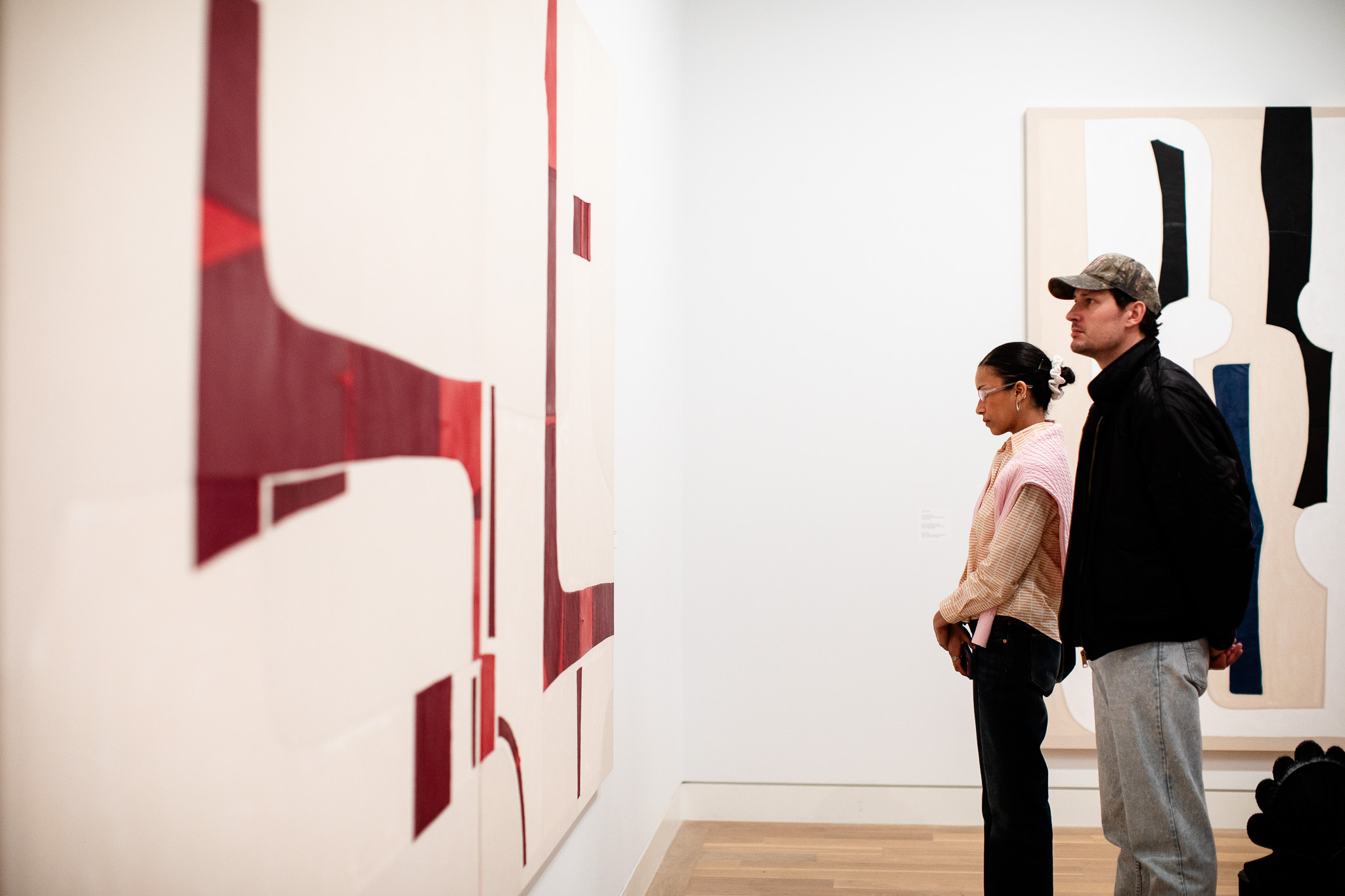
At the center of this cultural experience is Guild Hall in East Hampton, a long-standing arts institution where visual art, live performance, education, and community engagement come together.
Why East Hampton Is a Cultural Destination
East Hampton has a rare combination of natural beauty, artistic heritage, and local history. The area’s coastal light, village architecture, historic properties, and proximity to New York City have helped make it one of the most recognizable cultural destinations on the East End.
Many visitors arrive for the beaches, but they often discover a deeper story through local museums and cultural institutions. These spaces preserve the people, landscapes, objects, and ideas that shaped East Hampton’s identity.
Some museums focus on fine art and contemporary creativity. Others highlight early settlement, maritime traditions, agriculture, domestic life, and the artists who lived and worked in the area. Together, they create a layered cultural map of East Hampton.
Visitors who want to explore more beyond museum visits can also use this East Hampton cultural attractions guide to plan a broader arts-focused day in the village.
Guild Hall: Art, Performance, and Community in East Hampton
For anyone exploring museums in East Hampton NY, Guild Hall is one of the most important places to visit.
Founded in 1931 by Mary Woodhouse, Guild Hall was created around the belief that participation in the arts strengthens civic life. Today, it remains a central cultural institution in East Hampton, connecting museum exhibitions, theater, education, and public programming under one mission.
This makes Guild Hall more than a traditional museum. It is a cultural gathering place where visitors can experience the region’s creative past while engaging with living artists, performers, writers, educators, and community voices.
Visitors can explore current and upcoming exhibitions at Guild Hall to see how the museum continues to present work connected to the Hamptons, contemporary art, local identity, and wider cultural conversations.
What Visitors Can Experience at Guild Hall
Visitors to Guild Hall may encounter rotating museum exhibitions, artist talks, exhibition walkthroughs, theater performances, dance, music, screenings, literary programs, and community events connected to East Hampton’s creative life.
Guild Hall also offers educational programs at Guild Hall for students, families, adults, and lifelong learners who want to engage more deeply with art and culture.
For travelers, Guild Hall offers an accessible way to understand the artistic side of the Hamptons. For local residents, it continues to serve as a cultural anchor throughout the year.
Because Guild Hall also presents theater, music, dance, and other programs, visitors interested in live culture can explore live performances at Guild Hall as part of their museum visit.
East Hampton Historical Society: Preserving Local Heritage
While Guild Hall highlights East Hampton’s artistic and cultural life, the East Hampton Historical Society helps preserve the broader history of the town.
The Historical Society stewards several historic properties in East Hampton and Amagansett, including sites connected to education, domestic life, maritime heritage, architecture, and local craftsmanship.
These historic sites help visitors understand the people, trades, buildings, and everyday traditions that shaped East Hampton before it became internationally recognized as an arts and leisure destination.
For history lovers, this creates an important contrast: East Hampton is not only a place of galleries and summer homes, but also a community with deep agricultural, maritime, and civic roots.
Pollock-Krasner House and Study Center: The Legacy of Abstract Expressionism
Another essential cultural stop is the Pollock-Krasner House and Study Center, located in Springs, within the town of East Hampton.
The site preserves the former home and studio of Jackson Pollock and Lee Krasner, two major figures in American abstract expressionism. For anyone interested in modern art, this museum connects East Hampton directly to one of the most influential movements in 20th-century American art.
It also helps explain why the East End became such an important place for artists seeking space, light, and creative independence.
Together with Guild Hall and other local cultural institutions, the Pollock-Krasner House shows how deeply art is woven into the identity of East Hampton.
LongHouse Reserve: Art, Gardens, and Design
For visitors who want to experience art outdoors, LongHouse Reserve offers a different type of museum experience.
Located in East Hampton, LongHouse Reserve brings together gardens, sculpture, design, and cultural programming in a landscape setting. Unlike a conventional indoor museum, LongHouse connects art with nature, movement, architecture, and reflection.
This makes it especially meaningful for visitors who want to experience East Hampton’s creative culture at a slower pace.
A visit to LongHouse Reserve can pair naturally with Guild Hall, especially for travelers interested in both indoor exhibitions and outdoor art experiences.
East Hampton Historical Farm Museum: Everyday Life and Local Roots
The East Hampton Historical Farm Museum offers another perspective on local history.
This museum focuses on East Hampton’s agricultural and community past, helping visitors understand the lives of residents, farmers, craftspeople, and working families who shaped the area.
For families and younger visitors, this type of museum can be especially engaging because it brings local history into a more tangible, everyday context. Instead of only seeing major artistic figures or formal historic homes, visitors can learn about domestic life, tools, traditions, and the rhythms of East Hampton’s past.
A Museum Day in East Hampton
A cultural day in East Hampton can be shaped around different interests.
Art-focused visitors may begin with Guild Hall, continue to the Pollock-Krasner House and Study Center, and finish with a walk through LongHouse Reserve.
History-focused visitors may explore the East Hampton Historical Society’s preserved properties and visit the East Hampton Historical Farm Museum to understand the area’s local roots.
Families may prefer a mix of interactive, outdoor, and community-centered experiences.
Travelers spending a weekend in the Hamptons can use museums as a way to slow down and experience East Hampton beyond restaurants, shops, and beaches.
Before planning a visit, travelers can check the Guild Hall events calendar to see whether exhibitions, talks, performances, screenings, or special programs are happening during their stay.
Why Museums Matter in East Hampton
Museums in East Hampton NY do more than preserve objects or display artwork. They help explain the character of the East End.
They show how the area developed from a working community into a nationally recognized center for art, performance, architecture, design, and cultural conversation.
They also connect different audiences.
Art lovers discover the region’s creative legacy. Families find educational experiences beyond the beach. Students encounter local history and artistic influence. Travelers gain a deeper sense of place. Residents stay connected to the stories that shaped their community.
In East Hampton, museums are not separate from daily life. They are part of the way the village remembers, creates, gathers, and shares culture.
This is also why Guild Hall continues to stand as a year-round cultural destination in the Hamptons, not only as a museum, but as a space where exhibitions, performances, education, and community life meet.
Visiting Guild Hall Museum in the Heart of East Hampton
Located in the center of East Hampton Village, Guild Hall Museum gives visitors a clear starting point for experiencing art, culture, and community life on Long Island’s East End. For anyone searching for museums in East Hampton NY, its Main Street location makes it easy to include a museum visit as part of a broader cultural day in the village.
Guild Hall connects visual art with live performance, education, and public programming, making it more than a traditional museum stop. Visitors can explore exhibitions, attend cultural events, and experience one of East Hampton’s most important creative institutions within walking distance of shops, restaurants, historic streets, and other local attractions.
Plan Your Cultural Visit to East Hampton
Whether you are visiting for a weekend, planning a family trip, or looking for meaningful cultural experiences on the East End, East Hampton offers a rich museum landscape.
Start with Guild Hall to experience the connection between art, performance, and community. Then explore the historic homes, artist studios, gardens, and local history museums that reveal the deeper story of the area.
For practical details, visitors can plan your visit to Guild Hall before arriving.
For anyone searching for museums in East Hampton NY, the village offers more than places to visit. It offers a living cultural experience shaped by artists, residents, history, and the unique creative spirit of the East End.